
Visiting an Inmate: Your Complete Guide to Applications, Dress Codes and Prison Conduct
A first prison visit can feel nerve-wracking, confusing and frustrating all at once. Plenty of questions come up about how the process works and how you are expected to behave, and failing to follow the rules can get your current visit — or future ones — refused. You may be wondering what to wear, which ID to carry, what you are allowed to bring, whether you can bring something for the inmate, how to apply and when visits take place. This guide walks you through everything worth knowing before you arrive so your visit goes smoothly.
Ways You Can Stay in Touch With an Inmate
Technology has closed the distance between people, and inmate communication is no exception. Prison technology providers such as Securus Tech, Global Tel Link (GTL) and Federal BOPs have introduced several options. Common channels include:
- Telephone calls: still the most popular way to communicate, though call charges tend to be high.
- Prison fax: used since the 1970s and still a favoured way to send documents and letters.
- Letters and postcards: handwritten notes never go out of style and show someone you care.
- Direct or indirect visitation: chats conducted through tablets issued to inmates.
Types of Visitation
Contact Visitation
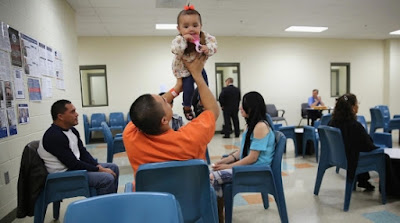
This is the most rewarding form of visiting, since you sit face to face with the inmate and may hug, touch or hold hands. Stay within the rules, or you risk being barred from future visits.
Non-Contact Visitation
For security reasons, some inmates are limited to visits where you see them through a glass partition and talk by phone from the opposite side. It may feel less satisfying, but seeing your loved one is still meaningful.
Video Visitation
Thanks to new technology, some facilities now offer video visits, though adoption is not yet widespread. If your inmate's facility supports it, video visiting can be very convenient. The technology usually relies on VOIP calls such as Skype or IMO, and Securus Tech has led the way in video visitation.
How to Prepare for a Prison Visit
Check the Inmate's Visitor List
The first thing to do is call the prison facility and ask whether it keeps an Inmate Visitor List. If it does, ask your inmate to add you to it. You can look up prison phone numbers in our facility directory.
Complete the Visiting Application
This is the usual starting point for the visitation process. Not every facility requires one, but around 90% do. The form is a standard questionnaire covering your name, your relationship to the inmate, identification and conviction background, and it is the most important part of the process. Giving false information on the application will get you rejected and banned from future visits. We have gathered a full list of visiting application forms and online forms for you.
View All Application Forms Find Prison FacilitiesWhy Was My Visiting Application Rejected?
The prison warden or officer in charge can reject your application at any time or ban you from further visits. Common reasons include:
- Providing false information about yourself — prisons do run background checks.
- Being a convicted person yourself, or having outstanding warrants.
- Being connected to the crime the inmate committed, or having been a victim of that inmate.
- Behaving violently on earlier visits, or being overly physical with the inmate.
- Being on probation, parole or PTI.
- You or the inmate being in protected custody.
- Working at a correctional facility, or being related to someone in the corrections department.
- The facility being on lockdown.
Dress Code for Visitation
Wearing inappropriate clothing for a public setting can get your visit refused outright. Our prison directory lists the dress rules for each facility, but these general guidelines apply:
- Choose shirts or dresses suitable for public places.
- Tank tops, bare midriffs, cut-off shorts, jogging shorts and biking outfits are not permitted.
- Shoes or sports shoes must be worn.
- Women's skirts and dresses must fall below the knee.
- No head coverings.
- Underwear is mandatory.
- Avoid clothing resembling staff or inmate uniforms — wearing any kind of uniform may cancel your visit.
- Shorts or skirts above the knee and sleeveless tops are not allowed.
- Avoid tight-fitting clothing.
- Men should wear full or half-sleeve shirts with full pants or jeans, a belt and proper shoes.
- Women can wear a full-length dress, skirt or jeans with a suitable top, or any modest outfit appropriate for a large gathering of men.
What You Can Bring to Prison
Items for Yourself
- Money: a small amount of cash (around 50–100 USD) to buy snacks or a meal inside the prison.
- Cellphones: most prisons do not allow phones in the visiting area, so you may need to store yours in the lockers provided.
- Personal belongings: extra clothing, water, snacks and medicines can be brought in.
Items for an Inmate
- Money: you cannot hand cash directly to an inmate; deposit it into their prison account instead (maximum 500 USD).
- Clothes: you can bring clothing for them to wear, as most facilities allow inmates their own clothes.
- Reading and photos: magazines, postcards, letters, newspapers and photos are usually allowed.
Identification to Bring
ID for Adults
Every visitor over 18 must carry valid photographic ID. Accepted forms include:
- Driving licence
- Passport
- Electoral identity card
- Senior citizen's smart pass
- Citizen's card
ID for Minors
Minors can use a school or college photo ID or a government-issued ID card, and every minor must be accompanied by an adult.
Getting to the Prison
Travelling to a prison can be costly and time-consuming, and in the US you cannot claim back the cost of visiting. Many facilities offer free snacks and water, and you may even get a free ride from the facility entrance to the visiting area. For guidance on visiting and to view maps, search for the prison in our directory.
Search PrisonsArrival at the Facility
Always aim to arrive early — at least 20 to 30 minutes before your visit time, since late entry is not allowed and pre-visit procedures usually take a while. If you are entering a high-security prison, plan to arrive about an hour before visiting hours.
Visitation Timings
Visiting hours differ from prison to prison and can vary for several reasons:
- Prison type: police stations, city jails, county jails, state jails and BOPs may all keep different visiting hours.
- Security level: the facility's security category can affect both hours and visit frequency.
- Inmate's criminal record: this may also influence how often visits are allowed.
- Different blocks within one facility can have different timings.
Search and Formalities
Once inside the prison you will be searched thoroughly for prohibited items and weapons, so leave anything that is not allowed behind.
Learn More About Inmate Visitation